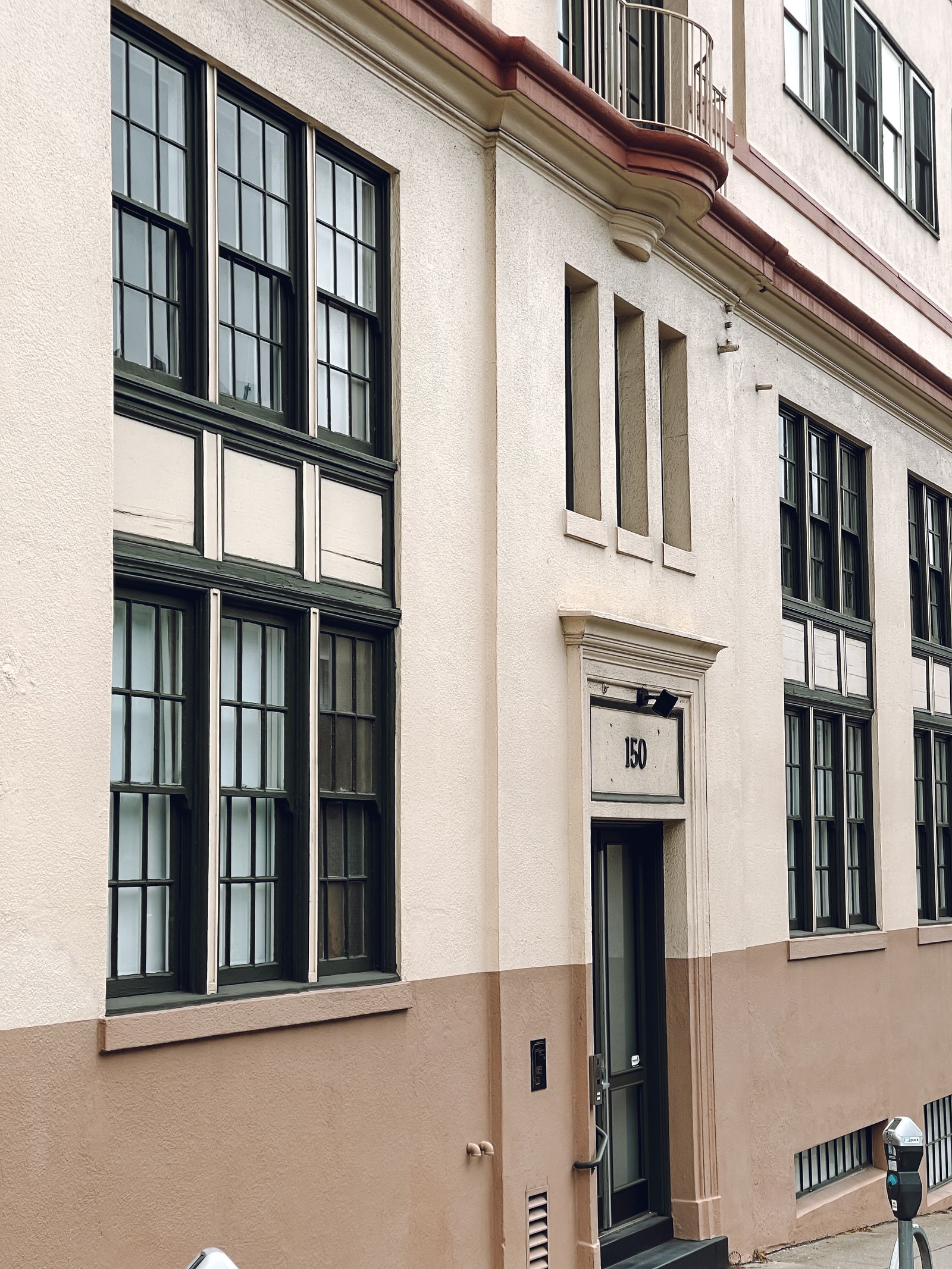
Start with the Waco facade and its operating context
Waco commercial properties may combine historic brick and mortar, newer masonry, stucco, EIFS, precast or tilt-up concrete, painted metal, storefront glass, canopies, signs, and roof-edge details. Downtown blocks and the Riverfront area can put sidewalks, restaurants, offices, event traffic, apartments, and neighboring storefronts close to the work zone. A Baylor-adjacent property may have student and visitor movement, game-day activity, bus or shuttle circulation, and limited staging. A medical or professional office may need a clean drop-off and accessible route throughout the job. The material and the way the building is used should control the scope.
Soft washing may fit compatible organic growth, pollen, bird residue, loose atmospheric film, and ordinary surface soil after inspection and testing. It is not a cure for cracked masonry, failed sealants, spalled concrete, corroded attachments, damaged glazing, failing coatings, or roof leaks. A dark streak may be a downspout or parapet problem; a white mark may be mineral residue or efflorescence; a dull panel may be oxidation. A useful proposal separates routine washing from glass restoration, mineral treatment, painting, masonry work, leak investigation, and envelope repair.
- Separate brick, mortar, stucco, EIFS, concrete, glass, metal, coating, sealant, and sign zones.
- Identify pollen, dust, traffic soil, bird residue, organic staining, minerals, oxidation, and runoff marks.
- Set a priority such as the main entrance, tenant frontage, Riverfront elevation, loading area, or full cycle.
- Use representative test areas when the substrate, coating history, or stain cause is uncertain.
Coordinate Downtown, Riverfront, Baylor, and active commercial routes
Downtown Waco and the blocks near Austin Avenue, Franklin Avenue, the Convention Center, and the Brazos River can combine offices, restaurants, hotels, retail, public sidewalks, and event schedules. Riverfront properties may have pedestrian trails, landscaped edges, patios, and drainage toward lower areas. Near Baylor University, a facade may face student housing, campus traffic, University Parks Drive, La Salle Avenue, or a busy commercial frontage. The cleaning plan should account for class changes, events, visitors, deliveries, and the times when a visible entrance matters most.
Waco's medical, office, and retail corridors need the same operational care. Map accessible entrances, patient or guest drop-offs, fire lanes, loading docks, drive-throughs, outdoor seating, air intakes, irrigation heads, cameras, and neighboring tenant routes before staging. Early-morning phases may suit a storefront or hotel, while a clinic may need short sections between appointments. A property along I-35, Loop 340, Highway 6, or an industrial access road may need truck-court control, security check-in, hose crossings, and protection for equipment near the facade. Phasing keeps a priority frontage usable without pretending every elevation can be treated simultaneously.
Plan around Waco heat, pollen, storms, and drying
Waco's warm climate, strong sun, spring pollen, shade, and thunderstorm season can make one elevation behave differently from another. Pollen settles on ledges, signs, window frames, canopies, and landscape-adjacent walls. Heat can shorten dwell time, raise surface temperature, and increase worker exposure. A shaded wall beside the Brazos or a protected loading bay may remain wet longer than a west-facing metal panel. Spring storms and heavy rain can dilute an application, create slippery routes, redirect rinse water, and interrupt a planned handback. The National Weather Service identifies spring as a peak period for thunderstorms and severe weather in the Waco climate narrative.
Before each phase, review forecast, wind, lightning risk, rain probability, surface temperature, humidity, drying time, and building activity. Agree on pause and reschedule triggers before barriers, hoses, lifts, or aerial equipment are placed. Wind also matters for vegetation, doors, vehicles, neighboring tenants, and any application above a public route. A recurring stain may reveal a blocked gutter, failed joint, irrigation overspray, roof-edge defect, or downspout that keeps a section wet. Cleaning can document the observation; it should not be sold as a repair for the source.
- Check heat, wind, rain, lightning, shade, surface temperature, drying, and public movement.
- Protect pollen-sensitive landscaping, air intakes, glazing, electrical equipment, and occupied entries.
- Define the weather conditions that pause application, change rinsing, or require a reschedule.
- Note recurring wetting from gutters, downspouts, irrigation, roof edges, or failed joints for follow-up.
Choose access for the elevation, corridor, and ground zone
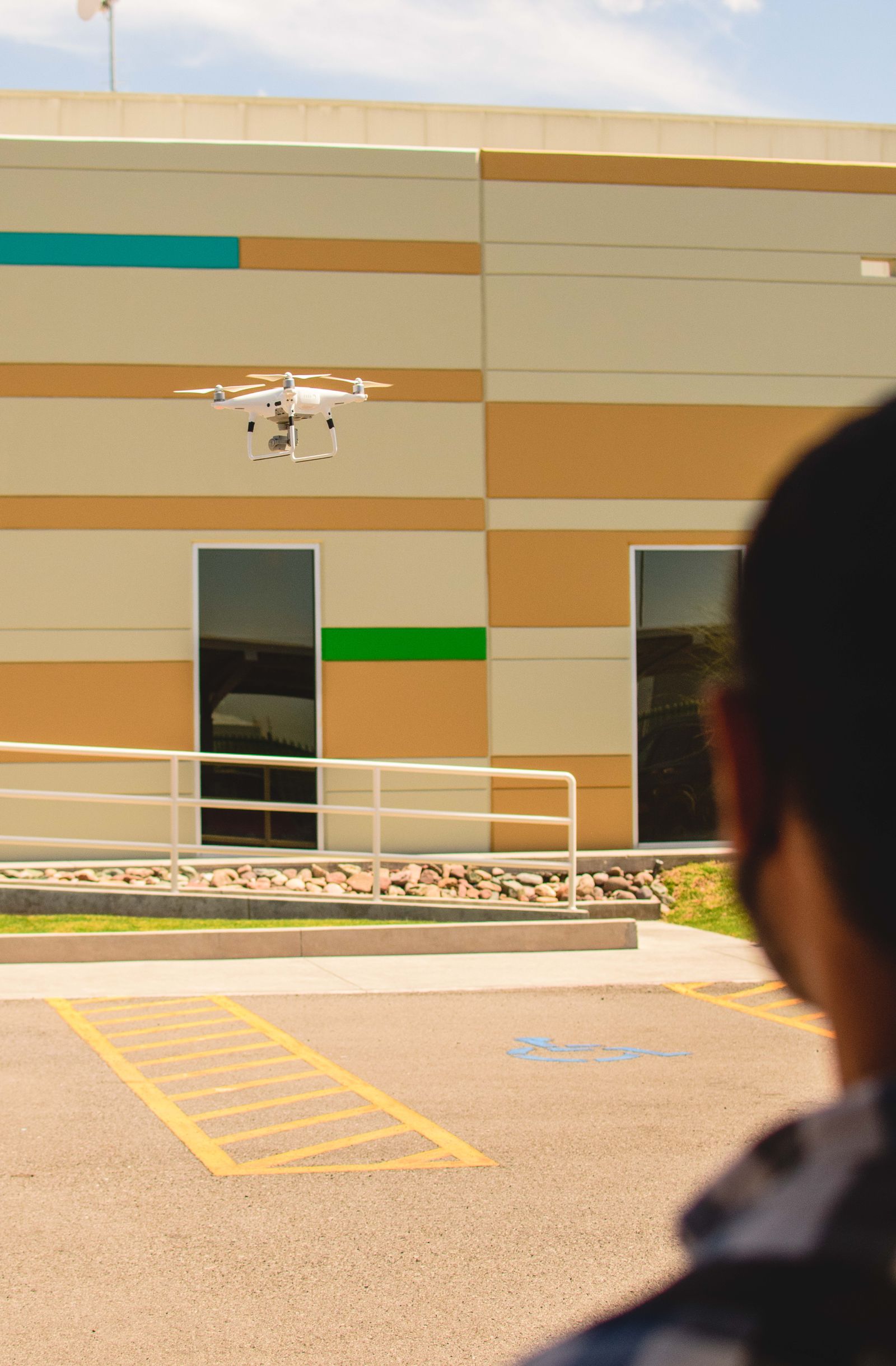
Drone assistance may be considered for a broad, compatible upper elevation when stand-off distance, visual control, launch and recovery space, wind, airspace, drainage, and public separation support the work. It may reduce repositioning for selected parapets, sign bands, ledges, or tall walls. It does not create a suitable chemistry for an unsuitable material, provide a squeegee finish, remove bonded mineral deposits, detail recessed architecture, or replace close condition assessment. The proposal should name aerial zones and identify what remains ground, pole, lift, roof-access, or hand work.
Waco sites can include overhead utilities, mature trees, antennas, cameras, active roads, parking decks, campus activity, Riverfront pedestrians, and airport or controlled-airspace considerations. Commercial drone operations remain subject to applicable Federal Aviation Administration requirements. Owner permission does not replace aviation rules or required authorization. A hybrid plan may use aerial support on a broad upper wall, a water-fed pole on selected glazing, controlled pressure on a tested concrete apron, and hand detail at doors, signs, canopies, and lower splash zones. Access should follow the finish standard and the ground risk.
Protect people, property, and Waco water paths
Before applying solution or rinse water, locate sidewalks, accessible routes, entries, air intakes, cameras, lights, vehicles, patio seating, landscaping, curb inlets, low points, and neighboring property lines. The City of Waco explains that urban stormwater can carry soaps, sediment, automotive fluids, and other pollutants through drains, channels, creeks, and streams toward Lake Waco, the North Bosque River, and the Brazos River. That makes runoff planning part of the scope, not a detail to discover after water is moving.
A curb drain is not automatic permission to discharge treated water. Depending on product, soil load, rinse volume, slope, drain type, landscaping, and site requirements, controls may include diversion, collection, recovery, reduced rinse volume, filtration, plant protection, disposal, or coordination with the responsible authority. Watch the first rinse, verify that water is following the plan, and stop when flow reaches a protected route or neighboring property. Document completed elevations, remaining deposits, pre-existing damage, and conditions that belong to a roofer, mason, glazier, painter, or envelope professional.
- Map public routes, accessible paths, doors, air intakes, landscaping, drains, low points, and hose crossings.
- Coordinate student, guest, patient, employee, event, delivery, tenant, and truck movement.
- State water and runoff assumptions, protection measures, weather limits, and pause authority in the quote.
- Record what was cleaned, what remains, and what needs another professional or a source repair.
Request a Waco quote tied to the property
Send the address, building use, approximate height, facade materials, problem elevations, desired timing, operating hours, water access, nearby drains, access restrictions, and known leaks, loose materials, coating failures, or previous cleaning damage. Photos of the main entry, shaded wall, upper elevation, roof edge, loading area, windows, landscaping, and parking-side drainage help prepare the review. Mention whether the goal is an event-ready entrance, recurring maintenance, tenant turnover, a property sale, or a focused stain investigation.
To discuss a Waco property, call +1 239-351-2897 or email contact@dronebuildingcleaners.com, or use the existing quote/contact form. Drone Building Cleaners can review whether soft washing, controlled pressure, aerial assistance, contact detail, or a hybrid method fits the building and prepare a scope around the result you need. The proposal should be specific about elevations, access, protection, weather, drainage, limitations, and work outside cleaning.